More Nickel Suppliers
Nickel is a versatile transition metal widely utilized across a spectrum of industries due to its unique physical and chemical properties. Common applications for nickel include product coating, electroless nickel plating, nickel alloy creation, and various precision fabrication processes. Its resistance to corrosion and heat makes nickel a vital component in ensuring clean drinking water, supporting power generation, heating, lighting systems, and enabling advanced manufacturing methods.
Across the global supply chain, nickel suppliers serve a broad range of sectors. Military and defense industries rely on nickel for high-strength, corrosion-resistant alloys in aerospace and armaments. Electronics manufacturers value nickel for its conductivity and stability in batteries, sensors, and microelectronic devices. The coinage industry uses nickel in currency production for its durability and anti-counterfeiting properties. In food and beverage processing, nickel is a critical component of hygienic equipment and cookware due to its non-reactive surface. The aerospace industry demands nickel superalloys for turbine blades and engine components, prized for their performance at extreme temperatures. Marine engineering counts on nickel for seawater-resistant parts. Furthermore, nickel supports architectural applications, chemical processing, and industrial manufacturing. Some jewelers incorporate nickel into their designs, but it is typically reserved for lower-cost items, as nickel can trigger allergic reactions in sensitive individuals.
History of Nickel
The story of nickel stretches back millennia, marking its presence in human civilization long before its formal identification as an element. Archaeological discoveries have unearthed tools containing at least 2% nickel from ruins in present-day Syria, dating back to 3500 BC. Ancient Chinese manuscripts reference the use of cupronickel—an alloy of copper and nickel—between 1700 BC and 1400 BC, known as “white copper” or baitung. By 1095 AD, Chinese scholar Ho Wei documented the cupronickel production process, indicating the advanced metallurgical knowledge of the time.
Nickel’s integration into Western societies is also notable. During the Hellenistic period, Greco-Bactrian kings such as Agathocles, Pantaleon, and Euthydemus II issued coins with around 20% nickel content between 180 BC and 170 BC. Some historians speculate that the nickel used in these coins may have originated from China, though definitive evidence remains elusive.
The modern era of nickel began in 1751 when Swedish chemist Axel Cronstedt isolated and identified nickel as a distinct element. The name “nickel” derives from German mythology, referencing a mischievous sprite. The ore that Cronstedt investigated, now known as nickeline or niccolite, had long frustrated miners who sought copper but instead found this difficult-to-process ore, which also contained arsenic. Cronstedt’s work led to the recognition of nickel’s unique properties and set the stage for its industrial adoption.
Throughout the 1800s, nickel’s industrial applications flourished, particularly in plating and coin manufacturing. The development of nickel silver—an alloy of nickel, copper, and zinc—marked a turning point, enabling the production of durable, silver-colored goods at a lower cost. In 1866, the United States introduced nickel-based coins (comprising 75% copper and 25% nickel) as a cost-saving measure following the Civil War, replacing more expensive silver coins. Switzerland followed suit in 1881, minting its first pure nickel coins.
The 20th century saw a dramatic expansion in nickel usage with the advent of stainless steel—a revolutionary alloy that combined nickel with iron and chromium to produce a material renowned for its resistance to rust and corrosion. Today, nickel is an essential element in the production of countless everyday items, from kitchen utensils and electrical components to medical equipment and the currency of many nations, including the United States and the European Union. Its enduring value and adaptability continue to shape modern technology and infrastructure.
Nickel Production Process
The journey from nickel ore to finished product is a multi-stage process involving mining, extraction, refining, and fabrication. Understanding how nickel is produced can inform procurement decisions and help buyers evaluate nickel suppliers based on their capabilities and sustainability practices.
Nickel ore types: Nickel is primarily extracted from two types of deposits: laterites and magmatic sulfide deposits. Laterites are typically found in tropical, weathered soils and consist of minerals such as garnierite and nickeliferous limonite. Magmatic sulfide deposits, formed from cooling magma, are rich in pentlandite—the principal nickel ore mineral. The choice of ore type affects both the extraction process and the final product’s properties.
Extraction and refining: After mining, nickel ore undergoes extractive metallurgy to separate and purify the nickel content. The primary production methods include:
- Pyrometallurgical extraction: Uses high temperatures to smelt and separate nickel from other elements, commonly applied to sulfide ores.
- Hydrometallurgy: Involves chemical solutions to leach nickel from laterite ores, often yielding high-purity outputs.
The roasting and reduction stage produces nickel with a purity of over 75%. For specialized applications requiring ultra-high purity, the Mond process is employed. In this process, nickel oxides react with carbon monoxide to form volatile nickel carbonyl, which is then decomposed to yield nearly pure nickel metal. This refined nickel is essential for advanced electronics, superalloys, and other high-specification uses.
Nickel Fabrication
Once refined, nickel is shaped and processed using advanced fabrication techniques to meet diverse industry requirements. Key nickel fabrication methods include:
- Electroless nickel plating
- Cold drawing
- Extrusion
Each method offers unique benefits and is chosen based on the intended application and performance criteria.
Electroless nickel plating is a chemical deposition process that coats objects with a uniform layer of nickel-phosphorus or nickel-boron alloy without using electrical current. This process is valued for its ability to evenly coat complex geometries, providing excellent corrosion resistance and surface hardness. Industries such as electronics, automotive, aerospace, and oil & gas frequently specify electroless nickel plating for components exposed to harsh environments or requiring tight tolerances.
Cold drawing is a precision fabrication method where nickel wire, rod, or tube is pulled through a series of dies at room temperature. This process refines the metal’s diameter, improves mechanical strength, and enhances surface finish. Cold-drawn nickel products are commonly used in medical devices, instrumentation, and microelectronic components where dimensional accuracy is critical.
Extrusion involves forcing nickel, either heated or at room temperature, through a specially shaped die to create rods, tubes, bars, and custom profiles. Although less common for nickel than for other metals, extrusion is indispensable for producing parts with complex cross-sections and tailored properties for aerospace, marine, and chemical processing applications.
Nickel Alloys: Types, Properties, and Applications
Nickel’s true industrial value is realized when it is alloyed with other elements. Nickel alloy suppliers blend nickel with metals such as copper, aluminum, titanium, chromium, and iron to create materials that meet demanding specifications. These engineered nickel alloys offer enhanced strength, heat resistance, corrosion resistance, and magnetic properties, making them indispensable in advanced manufacturing.
Common Nickel Alloys:
- Nickel 200: A commercially pure nickel alloy (99.6% Ni) valued for its resistance to caustic alkalis and corrosion. Applications include food processing, chemical storage, and electronics.
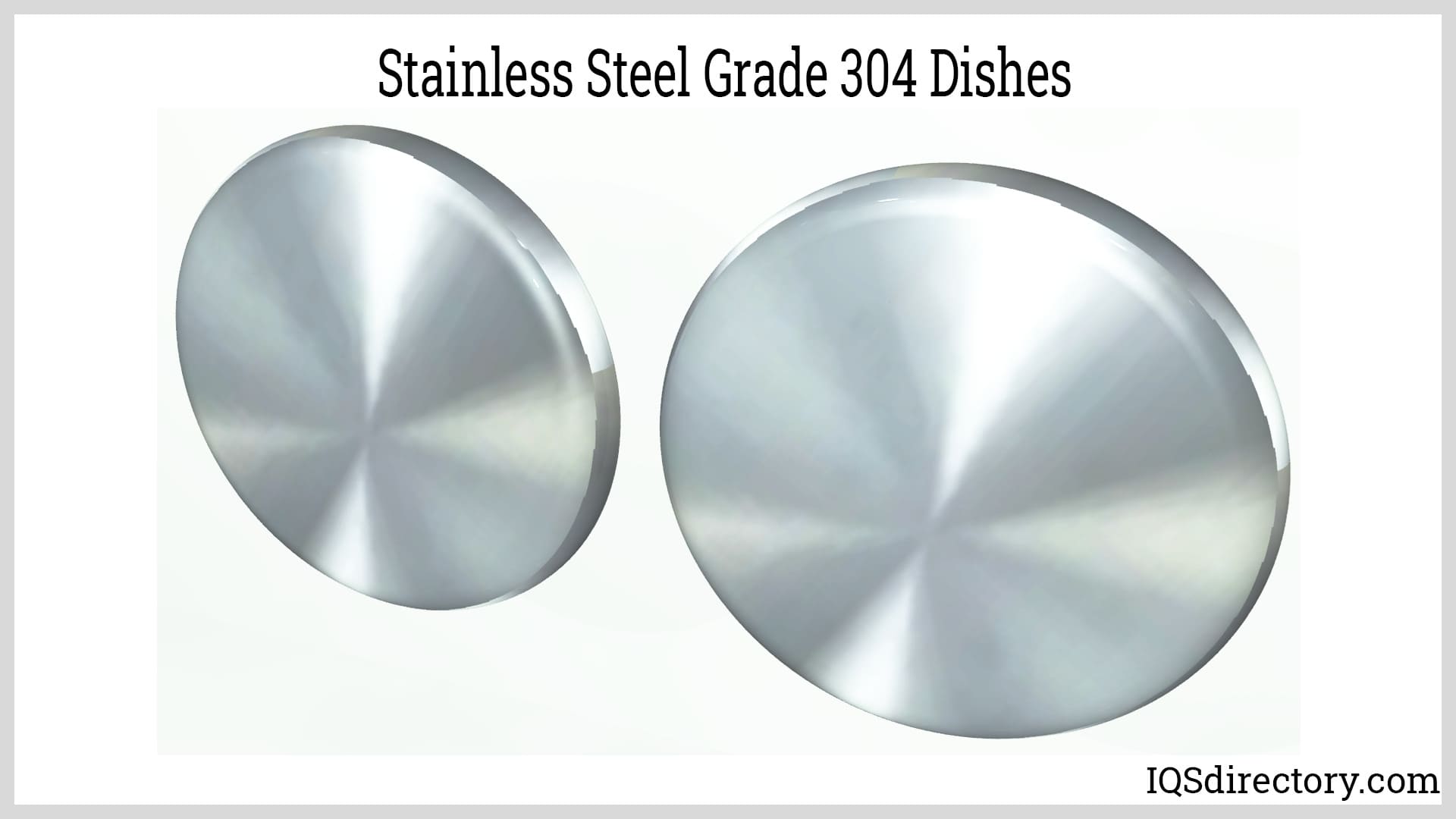
- Stainless steel: Contains 8% nickel and 18% chromium, offering unparalleled corrosion resistance and strength. Used in cutlery, appliances, medical instruments, and construction.
- Kovar: A nickel-cobalt ferrous alloy engineered for a thermal expansion rate compatible with borosilicate glass. Critical for hermetic seals in electronics and vacuum tubes.
- Invar: An iron-nickel alloy (64FeNi or FeNi36) with minimal thermal expansion, essential for scientific instruments, precision pendulums, and aerospace controls.
- Monel: Approximately 67% nickel with copper and trace elements, known for its resistance to seawater and acids. Used in marine hardware, valves, and pumps. Learn more about Monel alloys.
- Nichrome: A nickel-chromium-iron superalloy famous for high-temperature resistance. Common in heating elements, toasters, dental appliances, and fireworks.
- Inconel: A family of nickel-chromium superalloys with additions of molybdenum and niobium, offering top-tier performance in extreme temperatures and corrosive environments. Used in jet engine parts, gas turbines, and nuclear reactors. Explore Inconel properties and suppliers.
- Hastelloy: High-performance nickel-based superalloys with chromium and molybdenum, engineered for superior resistance to pitting, cracking, and oxidation in chemical processing, energy, and petrochemical industries.
To compare nickel alloys for your application, consider their:
- Corrosion and oxidation resistance
- Temperature and thermal expansion properties
- Mechanical strength and fatigue resistance
- Weldability and fabricability
- Cost, availability, and supplier support
Looking to select the right alloy for your project? Ask yourself: What is the operating environment (e.g., marine, chemical, high-temperature)? Are there regulatory or industry standards to meet? What are the required mechanical and physical properties?
Nickel Products: Forms, Use Cases, and Industry Applications
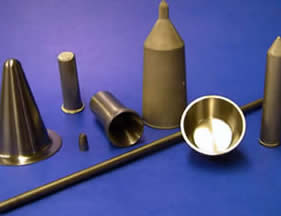
Reputable nickel product suppliers offer a broad inventory of nickel forms and engineered products to serve diverse markets. Commonly available nickel products include:
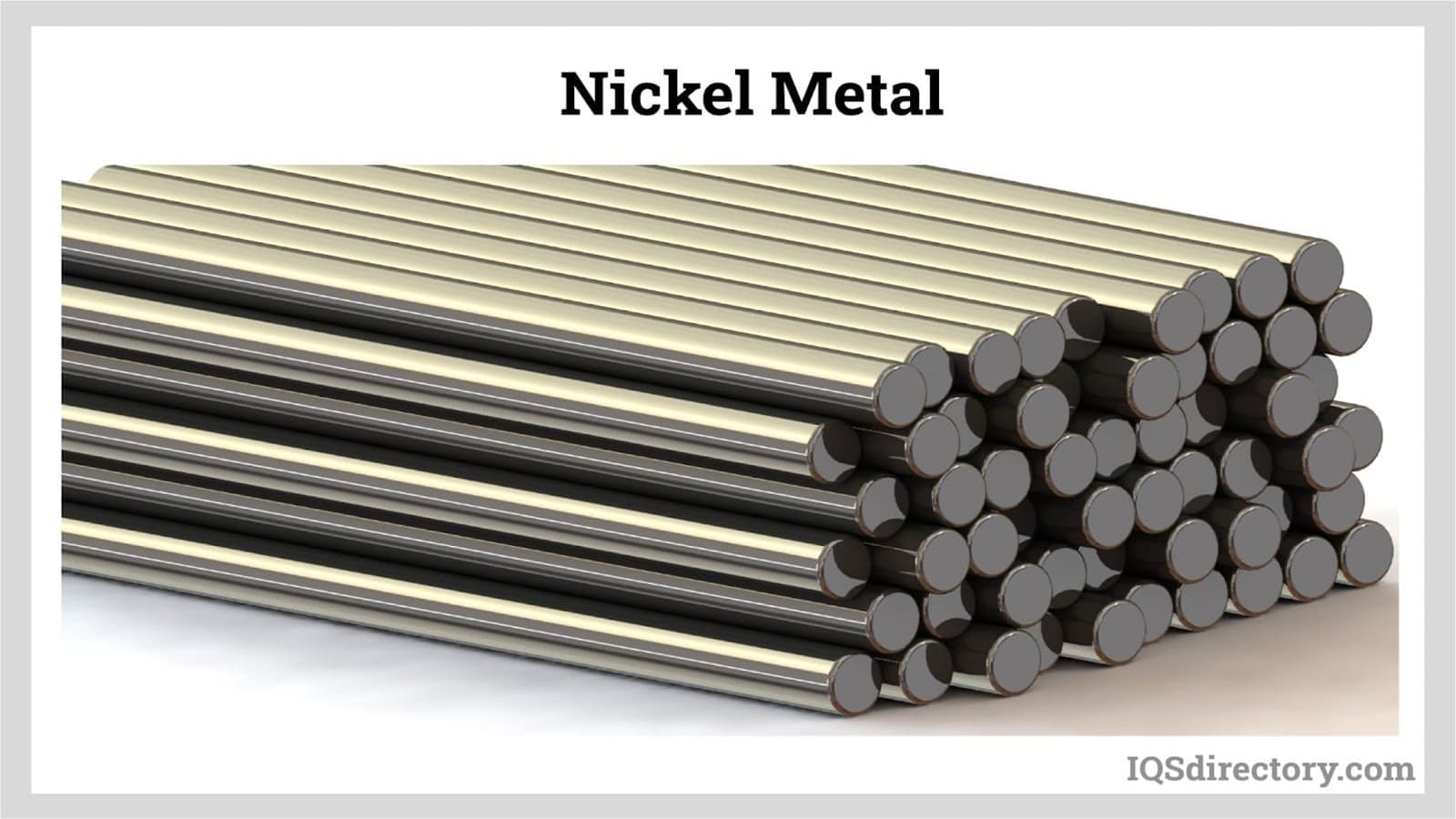
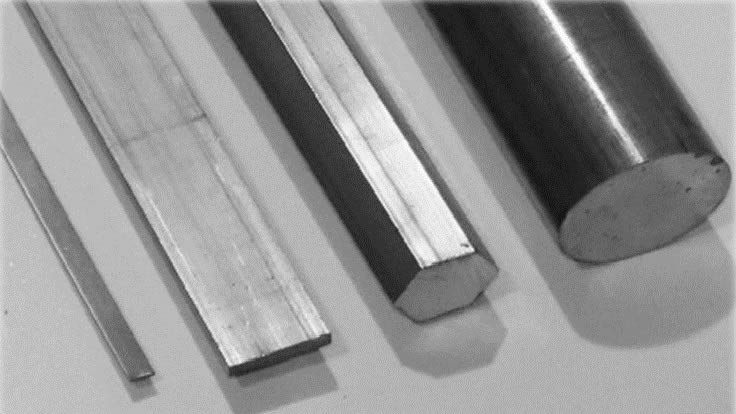
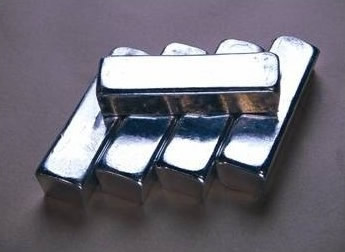
- Nickel bars
- Nickel rods
- Nickel plates
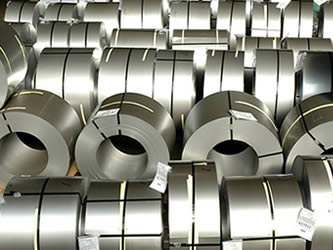
- Nickel sheets
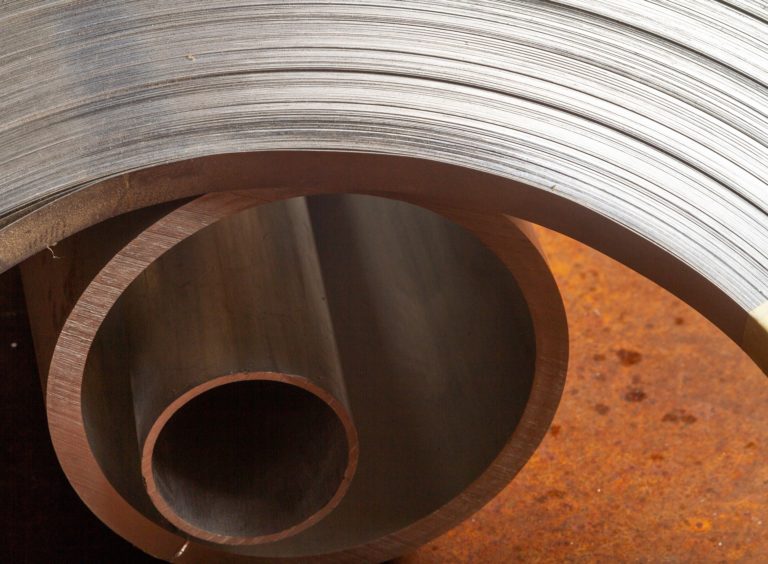
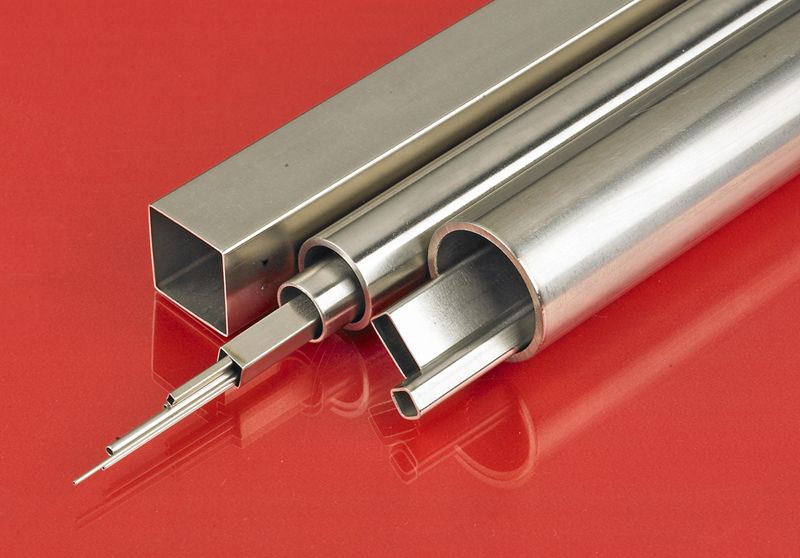
- Nickel tubing and seamless pipes
- Nickel wire and strip
While these materials can be purchased as finished goods, they are frequently acquired as raw stock for further processing or as input into alloy production. Here are some key nickel product use cases:
- Electronics: Nickel is used in the manufacture of battery electrodes (especially in nickel-cadmium and nickel-metal hydride batteries), microwave tubes, microphone capsules, and specialty light bulbs.
- Military and Defense: Nickel and its alloys form casings for rocket motors, missile parts, armor plating, and high-strength fasteners, benefiting from nickel’s combination of strength and durability.
- Medical Equipment: Nickel alloys are prized for their biocompatibility, corrosion resistance, and non-magnetic properties in surgical instruments, implants, and diagnostic devices.
- Food Processing: Nickel-based stainless steel is the gold standard for hygienic surfaces in food processing equipment, cookware, and kitchen sinks.
- Industrial Manufacturing: Nickel products are used in valves, fittings, pumps, and specialty machinery that must withstand chemical exposure or repeated sterilization.
- Automotive and Aerospace: Nickel alloys are engineered for engine components, exhaust systems, and structural parts exposed to extreme heat and pressure.
- Renewable Energy: Nickel plays a growing role in advanced battery technologies (including lithium-ion batteries), fuel cells, and energy storage solutions.
- Jewelry and Coinage: While nickel is sometimes used in affordable jewelry, it is more commonly found in coins due to its durability and attractive finish.
- Musical Instruments: Nickel is an essential material in electric guitar strings and wind instrument components for its acoustic and wear properties.
Curious about the best nickel product for your needs? Search by application: “Which nickel alloy is best for high-temperature environments?” or “What nickel grades are suitable for marine engineering?”
Benefits of Nickel: Why Choose Nickel and Nickel Alloys?
Nickel’s enduring popularity stems from a unique combination of beneficial properties. Here’s why manufacturers and engineers consistently choose nickel and nickel alloys:
- Exceptional Durability: Nickel products have a service life of 25–35 years, often outlasting alternative materials under harsh conditions.
- Corrosion and Temperature Resistance: Nickel’s resistance to rust, acids, and alkalis is unmatched, making it ideal for chemical, marine, and food-grade applications.
- Mechanical Strength and Toughness: Nickel alloys retain their integrity under high loads and repeated stress cycles, essential for aerospace, automotive, and defense applications.
- Magnetic and Electronic Properties: Nickel is one of the few elements that is naturally magnetic at room temperature, making it indispensable for sensors, actuators, and electronic shielding.
- Sustainability and Recyclability: Nickel is highly recyclable. In fact, more than 50% of the nickel used in stainless steel today is sourced from recycled materials, contributing to a circular economy and reducing environmental impact.
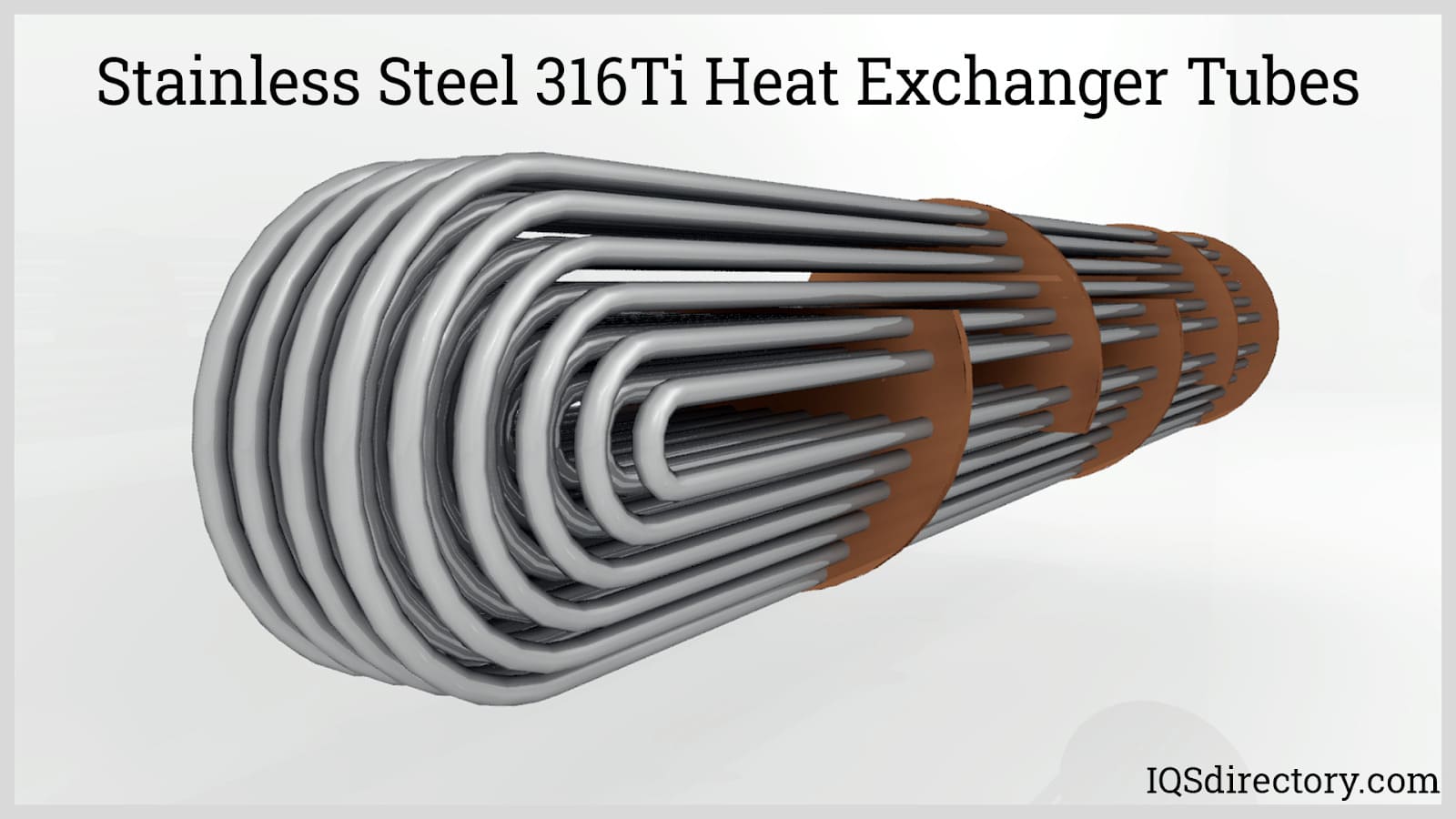
- Energy Efficiency: Nickel’s thermal and electrical properties can improve the efficiency and lifespan of energy systems, from batteries to turbines and heat exchangers.
- Cost-Effectiveness: Although nickel may represent a higher upfront material cost, its longevity and performance can lower total ownership and maintenance costs over the product lifecycle.
Want to know if nickel is right for your project? Compare materials: “Is nickel more corrosion resistant than stainless steel?” or “What are the cost benefits of nickel alloys over titanium?”
Choosing the Right Nickel Supplier: Decision Factors and Best Practices
Finding a reliable, high-quality nickel supplier can make a critical difference in your project’s success. Here’s how to approach the supplier selection process to ensure you receive the best value and performance:
- Define your application requirements: List critical factors such as intended use, required material grade or alloy, mechanical properties, corrosion resistance, quantity, and delivery timeline.
- Establish your budget and volume needs: Determine acceptable cost ranges and minimum/maximum order quantities. Some suppliers specialize in bulk nickel supply, while others cater to small-batch or specialty orders.
- Research supplier capabilities: Review the profiles of trusted nickel suppliers highlighted above. Consider their product range, certifications (such as ISO 9001 or AS9100), quality control processes, and track record of on-time delivery.
- Compare value-added services: Does the supplier offer custom fabrication, cutting, machining, or technical support? Are they able to provide material certifications, traceability, or compliance with industry standards such as ASTM, ASME, or MIL specs?
- Evaluate sustainability and sourcing: Increasingly, buyers seek suppliers who can document ethical sourcing, responsible mining practices, and high rates of recycled content.
- Shortlist and engage: Identify three or four suppliers who align with your technical and business requirements. Reach out with specific questions about their products, lead times, and ability to meet your application’s specifications.
- Request samples or test data: Where possible, ask for material samples, technical datasheets, or certificates of analysis to validate the supplier’s claims.
- Verify customer support: Responsive, knowledgeable supplier support is essential for resolving issues, customizing orders, and ensuring a successful procurement experience.
Actionable Search Prompts: “Which nickel supplier offers just-in-time delivery?” “Where can I find certified nickel bar suppliers for aerospace applications?” “What questions should I ask my nickel supplier about traceability and compliance?”
Frequently Asked Questions about Nickel and Nickel Alloys
- What is the difference between pure nickel and nickel alloys?
Pure nickel offers excellent corrosion resistance and electrical properties, but nickel alloys are engineered for enhanced performance under specific conditions, such as high temperatures or aggressive chemical environments. - How do I choose between electroless nickel plating and electrolytic nickel plating?
Electroless nickel plating provides a more uniform coating on complex shapes and non-conductive materials, while electrolytic plating is faster for large, simple parts. - Are there nickel-free alternatives for those with nickel allergies?
Yes, some stainless steels and jewelry alloys are formulated with very low or no nickel content to reduce allergic reactions. - What industries benefit most from nickel superalloys?
Aerospace, power generation, chemical processing, and oil & gas sectors rely heavily on nickel superalloys for their ability to perform under extreme heat and stress. - Is nickel a sustainable material?
Absolutely. Nickel’s recyclability and long service life make it an environmentally responsible choice for many industrial and consumer applications.
Learn More and Connect with Nickel Suppliers
Whether you are specifying nickel for a new product, seeking to improve performance with advanced nickel alloys, or sourcing raw materials for industrial manufacturing, the right supplier partnership is crucial. For in-depth product data, technical support, or to request a quote, explore our curated list of nickel suppliers. You can also browse our resources on Monel, Inconel, and nickel bar products to help you make informed purchasing decisions.
Ready to take the next step? Contact suppliers directly with your project specifications, or search by keyword: “nickel alloy distributor near me,” “bulk nickel sheet supplier,” or “custom nickel fabrication services.”
With its unique combination of durability, performance, sustainability, and versatility, nickel remains one of the most important industrial metals in the world. Whether you need raw materials, finished products, or technical expertise, choosing the right nickel supplier ensures your success in any application—from advanced engineering to everyday consumer goods.